
Recognising Student Mental Health Issues in the Classroom | Key Signs & Support

Why Recognising Student Mental Health Issues in the Classroom is Essential
Recognising student mental health issues in the classroom is vital for creating a supportive learning environment. Therefore, teachers play a key role in identifying and addressing these issues early. Teachers are in a unique position to notice early warning signs and help students access appropriate support. Without intervention, mental health struggles can negatively impact academic performance, social interactions, and long-term well-being.
Recognising Student Mental Health Issues in the Classroom: Key Signs & Support
Identifying mental health struggles early allows for timely intervention. For example, recognising behavioural shifts can help prevent further distress. Here are some key indicators teachers should watch for:
Emotional Changes in Students
- Frequent mood swings, irritability, or excessive sadness. Additionally, students may exhibit sudden changes in emotional responses.
- Outbursts of anger or frustration over minor issues
- Withdrawal from peers and teachers
- Expressions of hopelessness or low self-worth
Behavioural Changes in the Classroom
- A sudden drop in academic performance. Consequently, students may struggle with concentration and engagement in lessons.
- Difficulty concentrating or frequent forgetfulness
- Unexplained absenteeism or frequent lateness
- Increased risk-taking behaviours (e.g., aggression, substance use)
Physical Symptoms of Mental Health Issues
- Complaints of headaches, stomach aches, or fatigue with no clear medical cause
- Significant changes in appetite or weight
- Signs of self-harm (e.g., cuts, burns, bruises)
Social Withdrawal and Peer Interaction Challenges
- Avoiding friends, group activities, or social interactions
- Being bullied or bullying others
- Expressing feelings of loneliness or isolation
Sleep Disturbances Affecting Classroom Performance
- Excessive sleepiness or difficulty staying awake in class
- Reports of nightmares or difficulty falling asleep
- Frequent mentions of exhaustion despite getting rest
How Teachers Can Recognise and Support Student Mental Health
Once a concern is identified, taking the right steps is crucial to ensuring student well-being.

How Teachers Can Build a Supportive and Inclusive Classroom for Student Mental Health
- Foster a culture of open communication and respect.
- Encourage students to talk about their feelings without fear of judgement.
- Be a compassionate listener—sometimes, a supportive conversation can make a huge difference.
Working with School Counsellors and Mental Health Staff
- If a student’s mental health appears to be at risk, notify the appropriate staff.
- Collaborate with school counsellors, psychologists, or pastoral care teams to support the student.
Confidentiality and Sensitivity When Addressing Student Mental Health Issues
- While it’s important to take action, avoid sharing concerns with those who do not need to know.
- Approach conversations with students privately and in a non-confrontational manner.
Encouraging Students to Seek Help for Mental Health Issues in the Classroom
- Provide students with information on where they can seek help.
- Reinforce the idea that seeking support is a strength, not a weakness.
Teachers are not expected to be mental health professionals. However, training in Mental Health First Aid (MHFA) equips them with the knowledge and confidence to respond effectively.
Benefits of Youth MHFA Training for Recognising and Supporting Student Mental Health
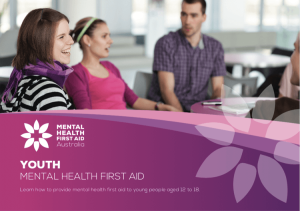
✅ Recognise early warning signs of mental health challenges in students.
✅ Learn how to provide initial support to students experiencing distress.
✅ Know when and how to refer students to professional help.
✅ Reduce stigma and foster a positive mental health culture in schools.
Enrol in Youth MHFA Training to Recognise and Support Student Mental Health Issues
If you want to develop the skills to recognise and respond to student mental health concerns, enrol in a Youth Mental Health First Aid course. Gain expertise in identifying early warning signs and supporting students effectively.
👉 Find out more about Youth MHFA for educators here
Related Mental Health Resources for Teachers
📌 Mental Health First Aid Course for Schools
📌 How Teachers Can Support Students with Anxiety
📌 Creating a Mentally Healthy Classroom Environment
📌 Recognising Signs of Depression in Students
Additional Resources on Student Mental Health
📖 Australian Mental Health Statistics
📖 How Schools Can Support Student Well-being
📖 Understanding Adolescent Mental Health
📖 Supporting Students with PTSD
View my course calendar here.